
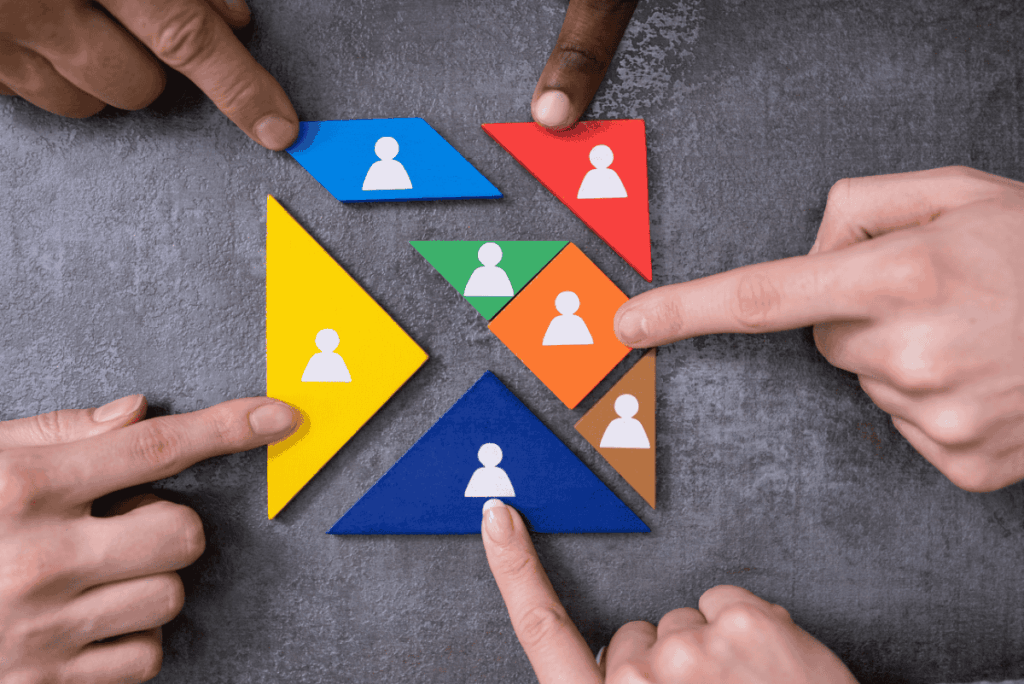
Change initiatives fail far too often, and it is rarely because of strategy, tools, or process design. Most organizations already have strong change frameworks in place.
The real gap sits elsewhere.
Even with clear roadmaps and structured models, change efforts stall when organizations lack the human skills required to carry change through. Without strong human connection and change resilience at a collective level, teams struggle to maintain trust, coordination, and momentum as demands increase.
These skills enable people to stay connected, adapt under pressure, and work effectively through uncertainty. This is not about sentiment or opinion. It is about understanding whether the capabilities required for successful change actually exist across teams, functions, and leadership layers.
This article explores why human connection is a critical change capability, how it works in tandem with change resilience, and how organizations can integrate skills-based human risk intelligence into existing change management processes to strengthen outcomes without replacing what already works.
What is Human Connection in the Workplace?
Human connection in the workplace is the measurable set of behaviors that shape how people trust one another, communicate, and work together during change. It is not just about being friendly. It is the practical way employees create understanding, safety, and support so teams can stay aligned and engaged when expectations shift.
Human connection is built on specific, observable skills:
- Social warmth: small, consistent actions that help colleagues feel welcome, noticed, and included. Social warmth builds the baseline of everyday trust.
- Empathy and listening: the ability to genuinely understand another person’s experience and emotions, and to listen in ways that reduce misunderstanding and increase alignment.
- Conversational engagement: the day-to-day skill of communicating clearly and constructively, keeping dialogue productive and focused on shared goals.
- Psychological safety: an environment where employees can speak up, ask questions, and admit mistakes without fear. Psychological safety sustains honest feedback and faster learning.
- Inclusion awareness: the habit of noticing assumptions and bias and understanding how different experiences shape perspectives.
- Inclusion in action: deliberate behaviors that make others feel valued and respected, ensuring all voices are heard during change.
Why is Human Connection Important?
Human connection is a critical organizational capability that directly influences how work gets done, especially during periods of change. When teams have strong connection skills, information moves faster, collaboration is more effective, and coordination across roles becomes easier. These skills enable employees to share perspectives, challenge ideas constructively, and align around decisions without unnecessary friction.
Strong human connection also supports trust at a systems level. When trust-building behaviors are present across teams, communication becomes clearer and more consistent, reducing delays and misinterpretation. This creates conditions where engagement and retention improve as a byproduct of effective collaboration rather than as a standalone goal.
Productivity benefits follow naturally. Teams with strong connection skills are better equipped to navigate complexity, manage pressure, and support one another during demanding phases of work.
When these skills are underdeveloped, the impact is visible at scale. Communication slows, collaboration weakens, and teams become more siloed. Decision making takes longer, alignment breaks down, and change efforts lose momentum.
Over time, these skill gaps create measurable risk that affects performance, delivery, and the organization’s ability to sustain change.
The Role of Change Resilience
Change resilience is the capacity to stay grounded, flexible, and constructive when navigating transitions or uncertainty. It enables individuals and teams to adjust to new conditions, rebound from challenges, and maintain focus even when the path ahead is unclear. The concept of change resilience can be made practical and tangible through specific sub skills that shape how people respond to change.
Key sub skills include:
- Adaptability: the ability to adjust behaviors and expectations as circumstances evolve.
- Emotional regulation: the skill of managing stress responses and staying steady under pressure.
- Persistence: the commitment to keep moving forward despite obstacles or slower progress.
- Change literacy: the understanding of how change processes work and what to expect as they unfold.
- Change agency: the capacity to influence outcomes rather than feeling controlled by events.
- Problem solving confidence: the belief that challenges can be approached with clarity and competence.
- Optimism: the mindset that possibilities and solutions exist even in uncertainty.
When these sub skills operate within an environment of strong human connection, change resilience becomes significantly more effective. Support, trust, and shared perspective make it easier for people to stay regulated, persistent, and proactive. Together, change resilience and connection create teams that adapt faster, collaborate more effectively, and achieve stronger outcomes during change.
What Traditional Change Models Lack
Traditional change management models such as ADKAR and Kotter provide valuable structure for guiding organizations through transition. They help leaders plan communications, sequence activities, and define milestones so change can be managed in a deliberate and consistent way. These frameworks are effective at outlining what needs to happen and when.
What they do not reliably reveal is whether the organization has the human capabilities required to execute those plans. Process visibility does not equal behavioral readiness. Without insight into human skills at scale, leaders are left assuming that teams are able to absorb pressure, collaborate effectively, and adapt as demands increase.
Human risk emerges when organizations lack the collective skills needed to sustain performance during change. Gaps in human connection skills can slow coordination and weaken trust across teams. Limited change resilience capabilities can reduce adaptability, persistence, and confidence as uncertainty increases. These risks do not reflect resistance to change itself, but rather an absence of the skills required to move through it effectively.
This is where human risk intelligence adds critical value. By measuring organizational capability in areas like connection and change resilience, leaders gain clarity on where execution may break down. This insight strengthens existing change models by informing how and where support is applied, making change efforts more precise, targeted, and successful.
Integrating Human Connection and Change Resilience into Existing Processes
Integrating human connection and change resilience into existing change processes is not about replacing established frameworks or adding complexity. It is about strengthening what already exists with clear insight into organizational capability. Skills-based human risk intelligence shows where teams are equipped to absorb change and where gaps may limit execution, allowing leaders to act with intention rather than assumption.
Because assessments are fast, scalable, and designed for organizational analysis, they integrate easily into current HR and change workflows without disruption.
Example 1
Connecting human resources data to talent development and retention.
HR teams can use human connection and change resilience insights to connect human resources strategies directly to capability needs. Instead of relying on engagement indicators alone, HR can identify patterns across teams or functions where skills such as psychological safety, adaptability, or persistence are underdeveloped. This enables targeted leadership development, focused capability building, and more informed retention strategies for areas under sustained change pressure.
Example 2
Enabling leaders to prioritize coaching and team interventions.
Leaders can use aggregated dashboards to understand where connection and change resilience skills may be limiting performance. This allows coaching, team development, or workflow adjustments to be prioritized where they will have the greatest impact. Rather than reacting to visible breakdowns, leaders can address skill gaps early and reinforce readiness across teams with greater precision and confidence.
Evidence-Based Benefits That Go Beyond Engagement Scores
When organizations measure human connection and change resilience as skills, the value extends well beyond traditional engagement metrics. Skills-based insight provides a clearer view of organizational readiness and highlights where human capability is supporting or limiting execution during change.
One key outcome is reduced change fatigue and burnout at a systems level. When teams have stronger capabilities in areas such as emotional regulation, adaptability, and psychological safety, they are better equipped to manage sustained pressure. This allows organizations to maintain momentum through multiple change cycles without overloading specific teams or functions.
Another benefit is the early identification of capability risk. Instead of reacting after performance drops or attrition increases, leaders can see where gaps in connection or change resilience are emerging. This enables proactive intervention before these gaps translate into disengagement, delivery delays, or operational strain.
Skills-based data also strengthens cross functional collaboration and inclusion. By identifying where connection skills vary across departments, organizations can address coordination breakdowns and improve how teams work together across boundaries. This leads to more consistent communication, stronger collaboration, and greater alignment during complex initiatives.
Together, these outcomes create a more stable, adaptable organization with the capability to sustain change over time.
Turning Insights into Action
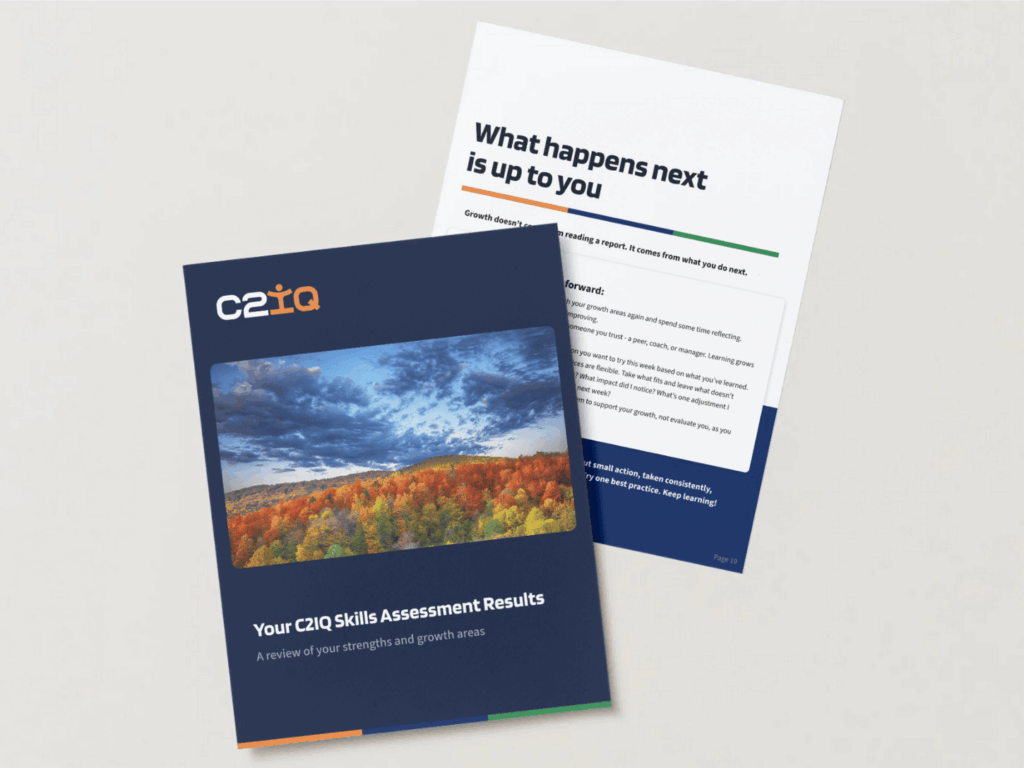 Turning better change outcomes into reality starts with a short, science-backed human risk assessment. In minutes, organizations gain a clear, aggregated view of change resilience and human connection capabilities across teams, functions, and leadership levels. This transforms human skills from abstract concepts into measurable organizational data that can be applied directly to change efforts.
Once these insights are available, they can be used to strengthen traditional change models in a focused and practical way. Leaders can identify where capability gaps create execution risk and prioritize support accordingly. Coaching, leadership development, and team interventions can be directed toward specific skills such as empathy, trust building, collaboration, or psychological safety, based on where gaps appear at scale.
Change resilience capability building can also be aligned with existing change programs, ensuring teams have the skills required to sustain momentum as demands increase. Rather than adding another initiative to manage, this data enhances current processes by informing where and how action should be taken.
At C2IQ, we help organizations make the invisible visible by turning human risk intelligence into clear direction for action. If you want to strengthen your change outcomes without replacing the frameworks you already use, contact us to see how organizational skills intelligence can support your next change initiative.