
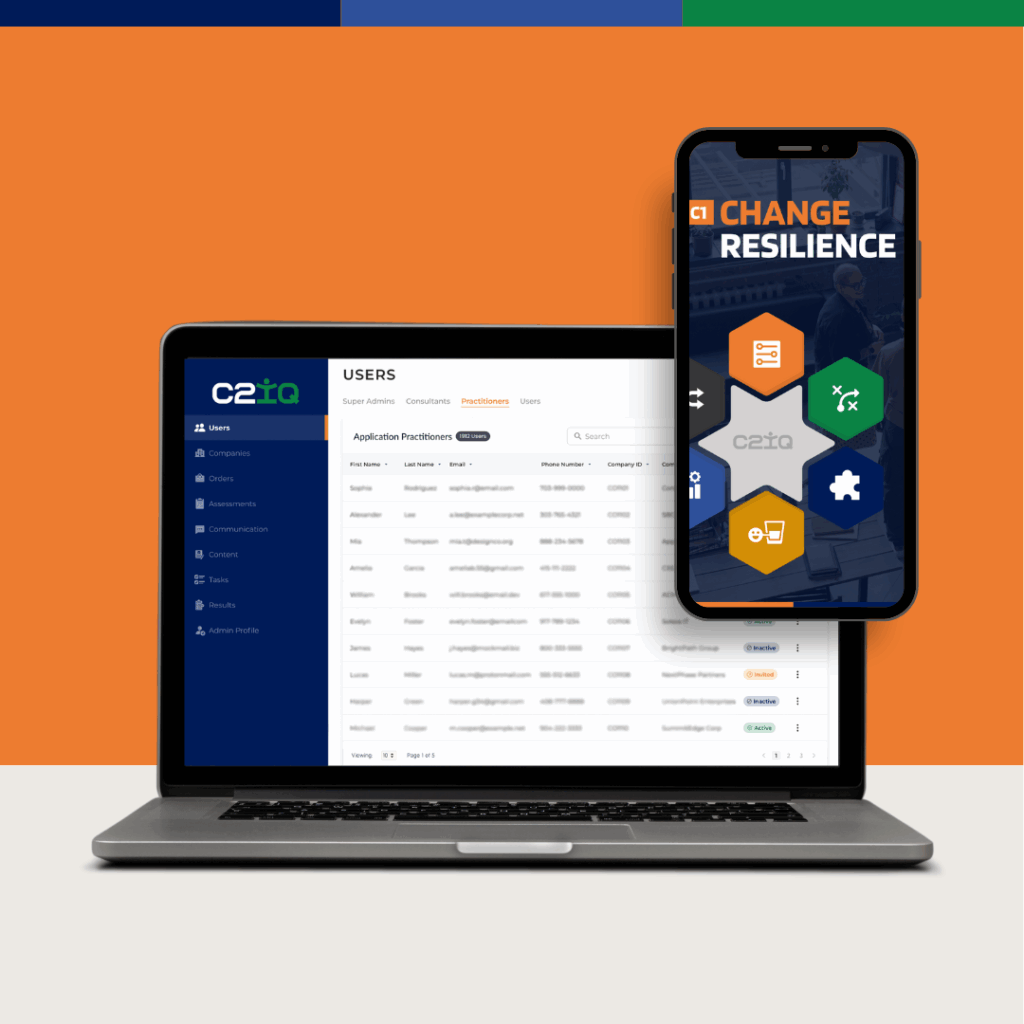
In a world defined by constant disruption, the ability to understand and manage human risk has become a critical business advantage. Organizations are no longer just navigating operational or financial uncertainty; they are navigating the complexities of human behavior, adaptability, and decision-making at scale.
Yet many HR teams still rely on outdated metrics that fail to capture these deeper dynamics. To stay competitive, businesses need a more sophisticated approach.
This is where a human risk analytics dashboard becomes essential. They equip HR leaders with the insights needed to anticipate challenges, make informed decisions, and build a more change-resilient, future-ready workforce.
Why Traditional HR Metrics Fall Short
Traditional HR metrics like engagement scores, turnover rates, and performance reviews offer useful snapshots, but they rarely tell the full story. These indicators tend to focus on outcomes rather than the underlying behaviors and mindsets driving them.
As a result, critical factors like adaptability, change resilience, and decision-making under pressure often go unmeasured. This creates blind spots, especially during periods of rapid change.
To truly understand workforce dynamics, organizations need a more comprehensive human capital risk assessment, one that uncovers the hidden drivers of performance and risk. Advanced analytics now make it possible to move beyond surface-level insights and gain a deeper, more predictive understanding of human behavior.
What Makes a Human Risk Analytics Dashboard Effective?
An effective human risk management platform with behavior analytics goes far beyond static reporting. It captures and interprets the underlying behaviors, attitudes, and capabilities that influence how individuals and teams respond to change. Rather than simply displaying data, a human risk analytics dashboard serves as a dynamic decision-making tool; equipping HR leaders with actionable insights they can use to guide strategy.
By translating complex human data into clear, meaningful signals, these dashboards enable more confident, proactive decisions. The true value lies not in visualization alone, but in the ability to surface patterns, predict risks, and inform targeted action, setting the stage for the key features that drive impact.
6 Key Features of a Human Risk Analytics Dashboard
A well-designed dashboard does more than present data; it reveals the underlying dynamics shaping workforce performance and risk. The following key features define what makes a human risk analytics dashboard truly effective.
1. Behavioral Data Insights at Scale
A powerful dashboard aggregates individual assessment data into meaningful team and organizational insights. Rather than focusing solely on outcomes, it uncovers behavioral patterns that influence performance. This enables organizations to identify hidden risks within teams that may otherwise go unnoticed.
2. Measurement of Change Resilience and Adaptability
In today’s environment, change resilience is a critical metric. Effective dashboards quantify how individuals and teams respond to disruption, providing a clear view of adaptability levels. This helps predict how the workforce will perform under pressure and during transformation.
3. Integration of Skills and Capability Mapping
Understanding skills is no longer enough. Organizations need to assess adjacent skills and learnability. Dashboards map current capabilities against future needs, enabling smarter workforce planning and more targeted reskilling strategies.
4. Real-Time Risk Identification and Forecasting
Rather than reacting to issues after they arise, advanced dashboards provide predictive insights. They highlight potential risks early, allowing organizations to proactively mitigate human capital risk before it impacts performance.
5. Data-Driven Decision Support for HR Leaders
Insights are translated into clear, actionable recommendations. This empowers HR leaders to move beyond execution and play a more strategic role, contributing confidently to high-level business decisions.
6. Visualization That Connects Data to Action
Effective dashboards present complex data in a clear, intuitive format. With the ability to drill down from organizational to individual insights, they ensure usability in real decision-making environments, turning data into meaningful action.
From Insight to Impact: How HR Can Use These Dashboards
Human risk analytics dashboards only deliver value when insights are translated into action. For HR leaders, this means using data not just to understand the workforce but to actively shape outcomes. By combining behavioral insights with strategic intent, HR can move from reactive problem-solving to proactive decision-making.
Key applications include:
- Workforce planning: Identify capability gaps early and align talent strategies with future business needs.
- Leadership development: Pinpoint strengths and growth areas to build more change-resilient, effective leaders.
- Change management strategies: Anticipate how teams will respond to change and tailor interventions accordingly.
Ultimately, the greatest impact comes from pairing data-driven insights with human judgment, ensuring decisions are both informed and contextually relevant.
The Future of Human Risk Management
The future of human capital risk management will be defined by a deeper reliance on behavioral and human-centric data. As organizations face continuous disruption, understanding how people think, adapt, and perform under pressure will become a critical advantage. Technology will play an increasingly important role, enabling more sophisticated analysis, real-time insights, and smarter decision-making at scale.
However, the true differentiator will be how effectively organizations use these insights to drive action. Those that invest in advanced human capital risk management approaches will be better equipped to navigate uncertainty, build change-resilient teams, and maintain a competitive edge in an ever-evolving business landscape.
Turning Human Insight into Strategic Advantage
Turning human insight into strategic advantage starts with a deeper understanding of the people behind performance. A robust human capital risk assessment moves beyond assumptions, giving organizations clear visibility into the behaviors, capabilities, and risks shaping their workforce.
When paired with the key features of a human risk analytics dashboard, HR leaders are empowered to make informed, confident decisions, shifting from reactive responses to proactive strategies that drive real impact. This level of insight enables organizations to build stronger leaders, more adaptable teams, and a workforce prepared for continuous change.
C2IQ enables this transformation by combining advanced behavioral analytics with actionable intelligence, helping organizations uncover hidden risks and unlock human potential. As the pace of change accelerates, those who invest in understanding and managing human risk will be best positioned to build change-resilient, future-ready organizations.
Contact C2IQ to find out more about your company’s human risk and change resilience.